Current is a financial technology company and neobank founded in 2015 and headquartered in New York City. It offers mobile-first banking services including a spending account with a Visa debit card, overdraft protection up to $200 with no fees (called Overdrive), savings pods with competitive interest rates, instant direct deposit up to two days early, fee-free ATM access at Allpoint network locations, and a built-in crypto trading feature. Banking services are provided by Choice Financial Group and Metropolitan Commercial Bank, both FDIC members, which means customer deposits are FDIC-insured up to $250,000. Current is especially popular among younger users, gig economy workers, and people looking for a modern banking experience without the fees typically associated with traditional banks.
Current requires a phone number during account opening as part of its identity verification and security process. As a platform providing regulated banking services, Current checks the carrier type before sending any SMS verification code, which means VoIP numbers are blocked before an OTP is ever dispatched. If you want to open a Current account without linking your personal phone number — to keep your contact details off a banking platform, to separate your financial services from your personal contact information, or simply for privacy — a real non-VoIP US carrier number from TextVerify.io passes this check and delivers the OTP to a private inbox only you can access.
Why Current Bank Requires Phone Verification
Current’s phone verification requirement is driven by both financial regulation and account security:
| Bank account KYC compliance. Current provides FDIC-insured banking services through its banking partners. Federal regulations governing bank account opening — including the Bank Secrecy Act and FinCEN customer identification rules — require financial institutions to verify the identity of customers. Phone verification is part of this Know Your Customer process, working alongside identity document verification and SSN confirmation to establish that the account belongs to a real, identifiable person. |
| Debit card and direct deposit security. Current accounts are linked to a Visa debit card used for real purchases and receive direct deposits from employers and gig platforms. A verified phone number provides security alerts for suspicious transactions, card activity notifications, and a recovery channel if the account is compromised. This is a core security requirement for any account that handles payroll deposits and everyday spending. |
| Overdraft and credit feature eligibility. Current’s Overdrive feature allows eligible accounts to overdraft up to $200 with no fees. Eligibility is tied to account standing and direct deposit history. Phone verification is part of the account setup that qualifies users for these features. Accounts that have not completed full verification may not access Overdrive or other premium features. |
| Gig worker and direct deposit privacy. Many Current users are gig economy workers who receive earnings deposits from platforms like DoorDash, Uber, or Instacart directly into their Current account. Using a TextVerify number during account setup means your personal phone number is not stored alongside your direct deposit banking details and employment earnings data on the platform. |
| Fraud and synthetic identity prevention. Neobanks have historically been targeted by fraud using synthetic identities — fabricated identities combining real and fake personal details. Phone verification with carrier-type checking is a key defense layer against these attacks, ensuring each account is linked to a real, active phone number on a legitimate carrier network rather than a disposable internet number. |
What Does Not Work
These alternatives fail at Current’s carrier validation step:
| Google Voice. VoIP. Current identifies Google Voice as an internet-routed number and blocks the verification attempt before any SMS is sent. As a platform providing regulated banking services through FDIC-member banking partners, Current applies the same carrier filtering as traditional financial institutions. |
| TextNow, Hushed, 2ndLine, Sideline, Burner. All VoIP. App-based internet numbers are rejected at the carrier check. Banking platforms that provide FDIC-insured accounts are required to maintain strict identity verification standards, and VoIP blocking is a core part of this. |
| Free public SMS websites. Numbers from public receive-SMS sites are blocklisted by Current. Using a public inbox on a banking platform also creates serious security exposure — anyone who sees the OTP during the window when it is valid could potentially complete account registration with your personal details, giving them access to a Current account opened in your name. |
| Skipping phone verification. Current requires phone verification to open an account. Without it, the account setup cannot be completed and banking features including the debit card, direct deposit, and Overdrive are not available. |
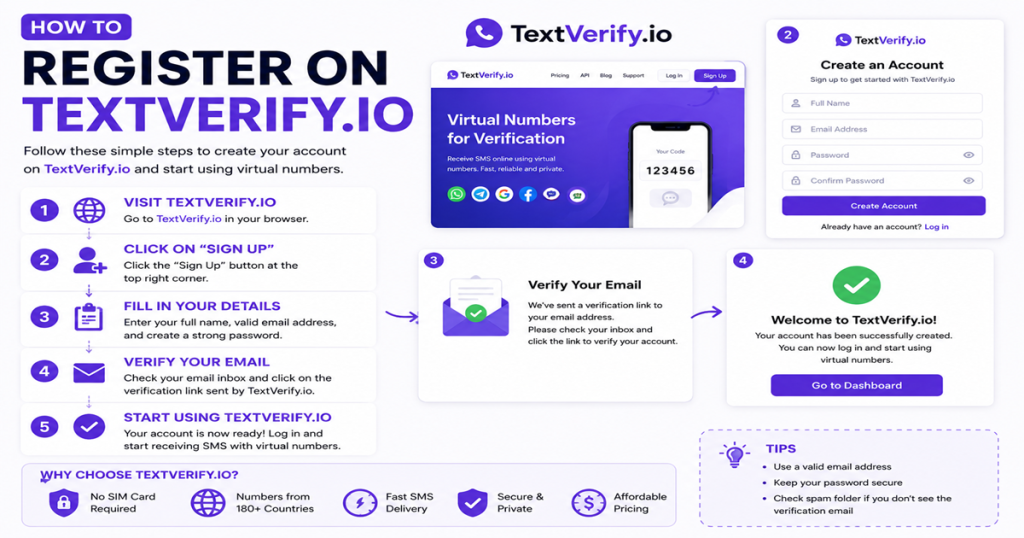
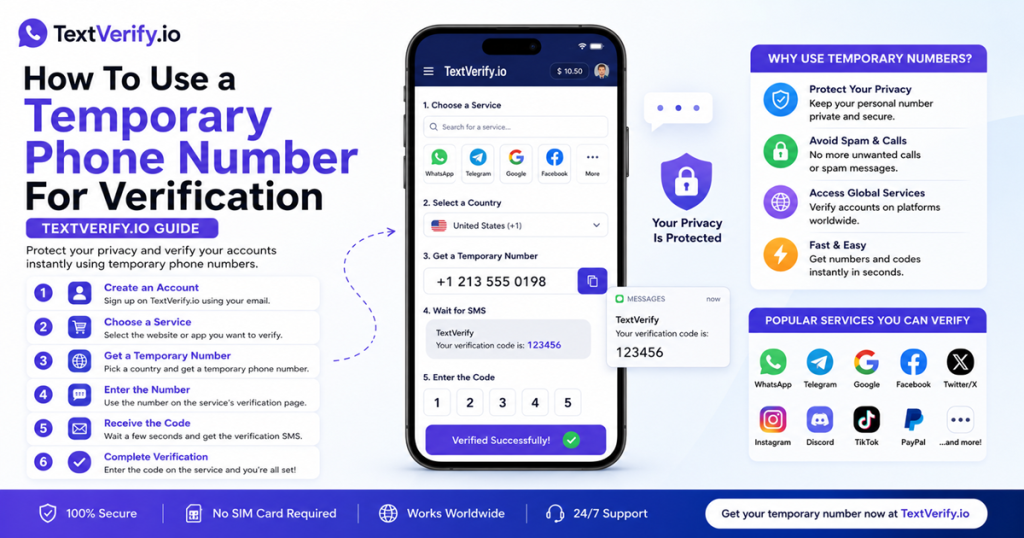
TextVerify.io numbers are provisioned from real US licensed telecom carrier infrastructure. They pass Current’s carrier check as genuine numbers and deliver the OTP to a private inbox only you can access.
Step-by-Step Guide
Open a Current Bank account without using your personal phone number:
Common Mistakes to Avoid
- Using a VoIP number. Current is a banking platform backed by FDIC-member banks and applies carrier-level filtering consistent with financial industry requirements. All VoIP numbers are rejected before any code is sent. Only a real US carrier number from TextVerify passes this check.
- Using a public SMS site on a banking platform. A public OTP inbox on a platform where you will receive payroll deposits and use a debit card is a direct financial security risk. Anyone who sees the code could complete registration in your name. TextVerify’s private inbox is the only safe option.
- Not opening TextVerify before requesting the code. Current’s OTP expires quickly. Have your TextVerify inbox open before tapping Send Code so you can paste the OTP immediately without the timer expiring.
- Not completing the full identity verification. Phone verification is the first step. Current also requires SSN and photo ID verification to activate the account and issue a debit card. Stopping at phone verification leaves the account incomplete and the card unissued.
- Not updating to a permanent number before enabling direct deposit. Once your paycheck or gig platform earnings start depositing into Current, security alerts become critical. Update the phone number before the TextVerify rental expires and before directing your first deposit to the account.
Frequently Asked Questions
Bottom line
Current is a banking platform backed by FDIC-member banks that checks carrier type before sending an OTP and blocks VoIP numbers. TextVerify.io provides real US carrier numbers that pass this check. Enter the number during sign-up, copy the OTP from your private inbox, confirm it, and complete the identity verification steps to activate your account and debit card. Update the registered number to a permanent one before setting up direct deposit so security alerts and account notifications stay active.
TextVerify.io
🏭 Verify Current Bank Without Your Personal Number
Real non-VoIP US numbers · Passes Current’s carrier check · Private inbox only you can access
Get Started on TextVerify.io →