SHEIN is one of the most popular online fashion destinations, known for its wide selection of clothing, accessories, and beauty products at affordable prices. When you create a new SHEIN account, the platform asks for a phone number and sends a one-time verification code by SMS. Completing this step is required before you can browse personalized recommendations, save items to your wishlist, or place orders. SHEIN also uses the registered phone number for account recovery and may send a verification code when you sign in from a new device.
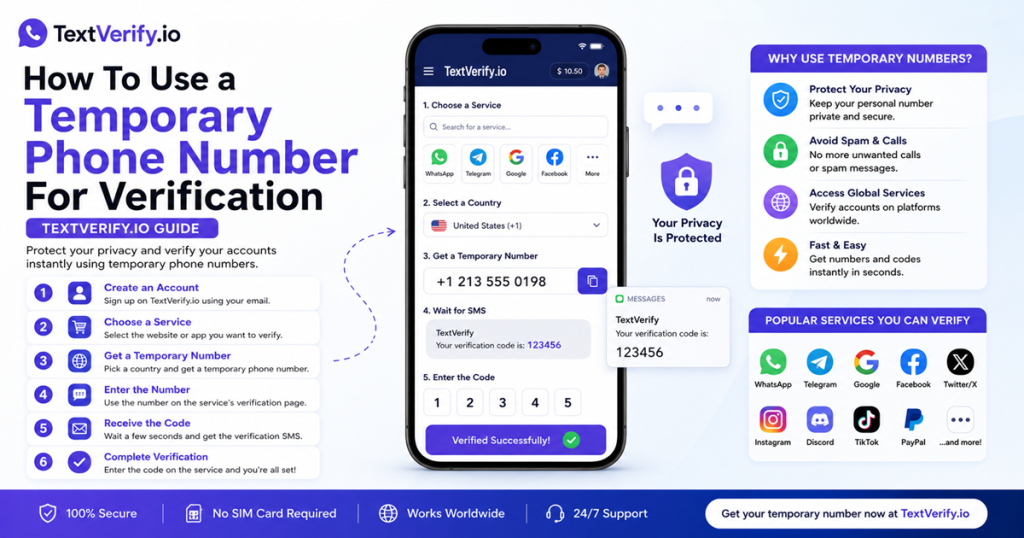
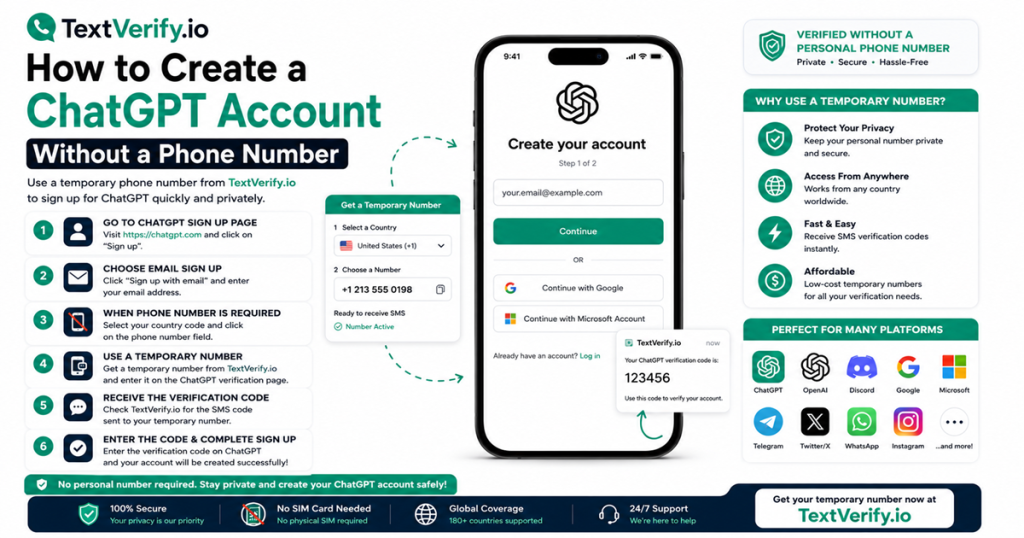
If you want a SHEIN account without linking it to your personal phone number, TextVerify.io provides a real non-VoIP US carrier number with a private SMS inbox. Enter it when SHEIN requests verification, receive the code privately, confirm it, and your account is ready. Your personal SIM never enters the process.
Why SHEIN Asks for Phone Verification
SHEIN uses phone verification as part of its fraud prevention and account security system. As a high-volume e-commerce platform that runs frequent promotions, flash sales, and new-user coupons, SHEIN has strong reasons to ensure each account belongs to a unique real person. Here are the key scenarios where phone verification comes into play:
| Account registration. SHEIN requires either an email address or a phone number to create an account. When you choose phone registration, SHEIN sends a one-time code to the number you enter. Your account is not activated until that code is verified. SHEIN also offers email-based sign-up in some regions, but the phone option is prominently shown and is the default for many users. |
| New-user coupon and promotion control. SHEIN frequently offers substantial discounts to first-time shoppers. Phone verification is one of the primary controls SHEIN uses to enforce the one-offer-per-person limit, since phone numbers from real carriers are harder to create in bulk than throwaway email addresses. |
| Sign-in from a new device. If you log into your SHEIN account from a device or browser that is not recognized, SHEIN may send a verification code to the registered phone number before granting access. This prevents unauthorized sign-ins even if someone has your password. |
| Password reset. If you forget your SHEIN password, the platform sends a recovery code to the phone number linked to your account. A number that can receive SMS is required for this step, which is why the number must remain reachable. |
SHEIN checks the carrier type of the phone number before dispatching any SMS. TextVerify numbers originate from real US mobile carrier infrastructure and pass this check.
What Does Not Work
These commonly attempted options fail with SHEIN’s phone verification:
| Google Voice. VoIP. SHEIN’s carrier-type check identifies Google Voice numbers and rejects them before any SMS is sent. No verification code is ever dispatched to a Google Voice number. |
| TextNow, Hushed, 2ndLine, TextFree. All VoIP. These app-based numbers operate over internet infrastructure rather than real carrier lines. SHEIN’s verification system blocks them at the carrier-type stage. |
| Free public SMS receiving sites. The shared number pools used by public receive-SMS websites have been blocklisted by SHEIN. Even if a code were delivered, anyone visiting those sites can read it — there is no privacy. SHEIN actively blocks numbers from these pools. |
| Reusing a number already tied to a SHEIN account. SHEIN links each phone number to a single account to enforce its promotional limits. A number that was previously used to register a SHEIN account will be rejected if you try to register a second account with it. |
| Skipping the verification step. SHEIN’s registration flow does not offer an option to bypass phone verification when you choose phone sign-up. The account cannot be used for browsing or purchasing until verification is complete. |
TextVerify.io numbers come from real US mobile carrier lines, not VoIP infrastructure. They pass SHEIN’s carrier-type check, and the verification code is delivered exclusively to your private TextVerify inbox.
Step-by-Step Guide
Here is how to create a SHEIN account and complete phone verification without using your personal number:
Common Mistakes to Avoid
- Using a VoIP number. Google Voice, TextNow, Hushed, and all internet-based phone apps are blocked before SHEIN sends any code. Only real carrier numbers from TextVerify will work.
- Reusing a number already linked to a SHEIN account. SHEIN ties each phone number to one account. A number previously used for SHEIN registration will be rejected the second time. Use a fresh TextVerify number for each new account.
- Not having the TextVerify tab open before tapping “Send Code.” SHEIN’s codes expire quickly. Open your TextVerify inbox in a separate browser tab before requesting the code, so you can copy and paste it the moment it arrives.
- Selecting the wrong country code. Always select United States (+1) before entering the TextVerify number. Entering a US number under a different country code causes a mismatch and the verification will fail.
- Using a public shared SMS inbox. Numbers from public SMS sites are shared. Anyone can read the codes sent to them. TextVerify provides a private inbox where only you can see incoming messages.
- Relying on a disposable number for future password resets. A one-time number expires after the first SMS. If you expect to need SHEIN’s password recovery via SMS at a later date, choose a rental number that stays active for the required duration.
Frequently Asked Questions
Bottom line
SHEIN requires a real, carrier-based phone number to verify new accounts. VoIP numbers are rejected. TextVerify.io provides a real US carrier number with a private SMS inbox that passes SHEIN’s verification check. Get the number from TextVerify before starting sign-up, enter it when SHEIN requests it, copy the code from your private inbox, and your SHEIN account is ready to use — without your personal phone number involved.
TextVerify.io
📼 Create Your SHEIN Account Today
Real non-VoIP US numbers · Passes SHEIN’s carrier check · Private inbox
Get Started on TextVerify.io →